
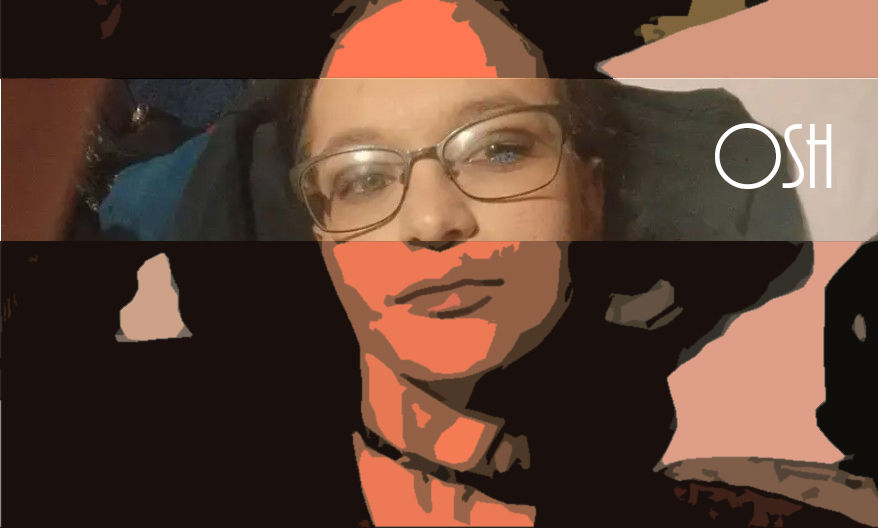
Over the past several years of interviews, I couldn’t help but notice that in so many of the pictures on Provider Portfolios, there was a not quite the same vacant stare as combat fatigue- more like an an angry beat-down gaunt look that reflected severe exhaustion or emotional overload. I think at first the lifestyle may seem exciting or frivolous or fun, depending on on what motivates the person to get in it to begin with. Certainly a perfect hobby for sex addicts or swingers, but more often than not, what started out as an exploratory forray into a brand new revenue stream, ends up in being trafficked, or seduced into drug addiction. That’s when it gets scary…
MaoriTatt Editor/CEO
–
–
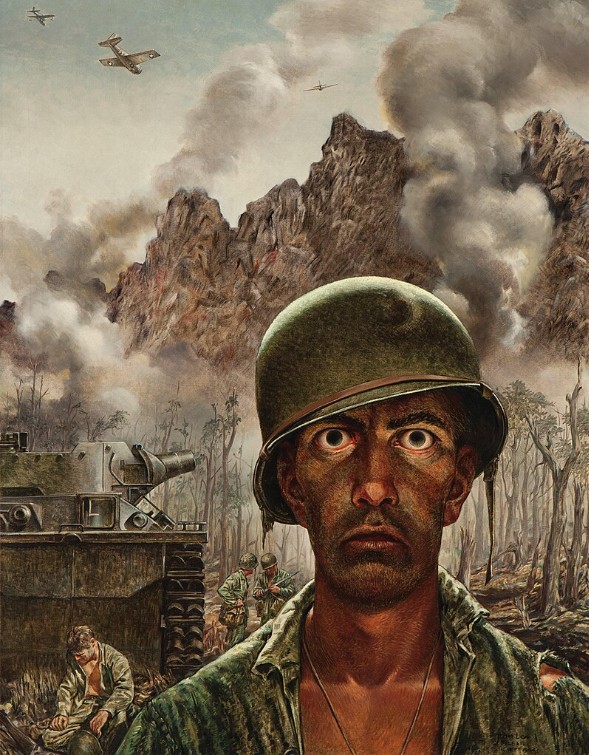
The thousand-yard stare (also referred to as two-thousand-yard stare) is the blank, unfocused gaze of people experiencing dissociation due to acute stress or traumatic events. It was originally used about war combatants and the post-traumatic stress they exhibited but is now also used to refer to an unfocused gaze observed in people under a stressful situation, or in people with certain mental health conditions.[1]
–
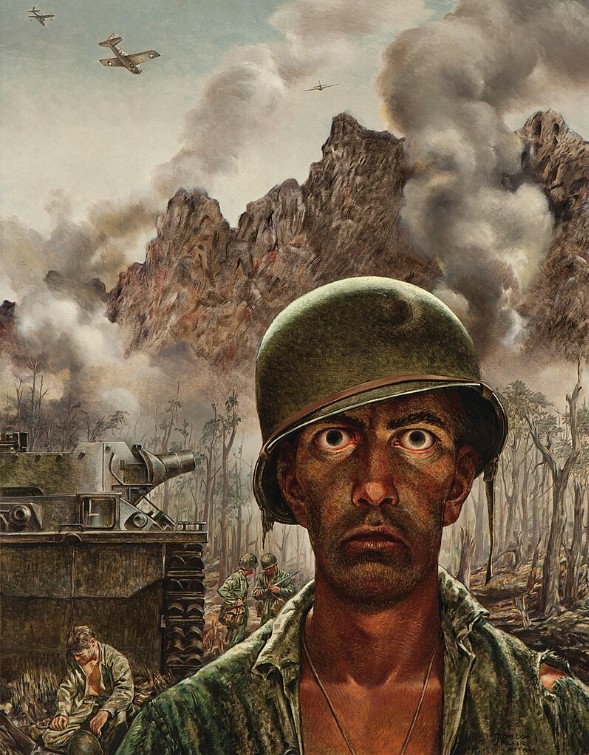
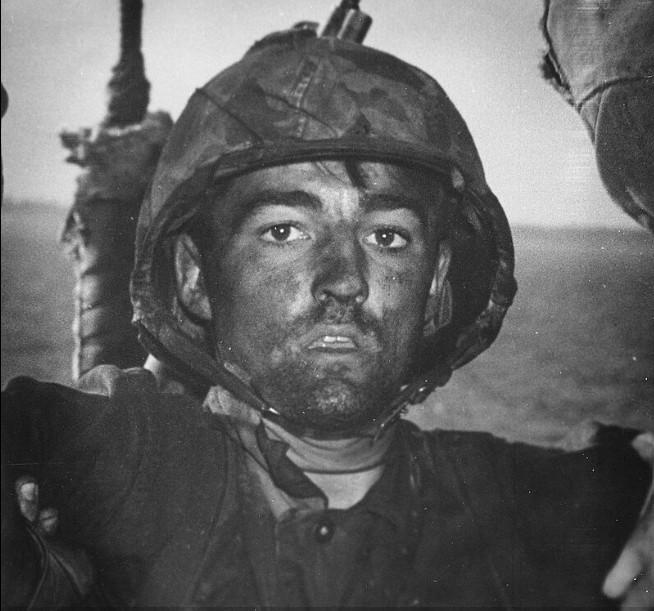
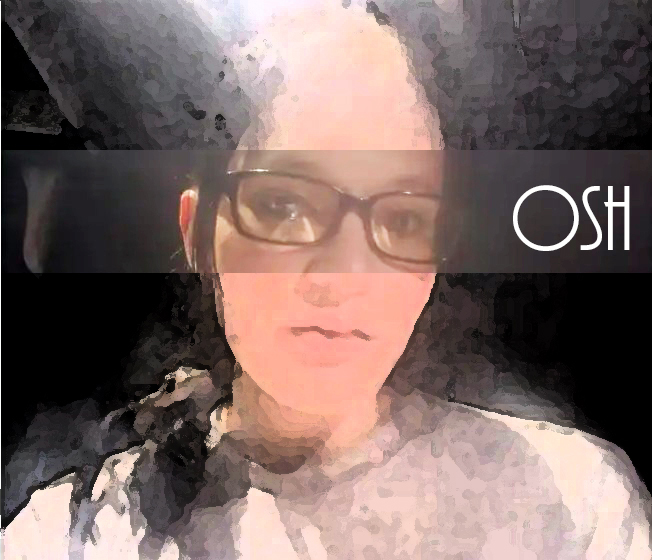


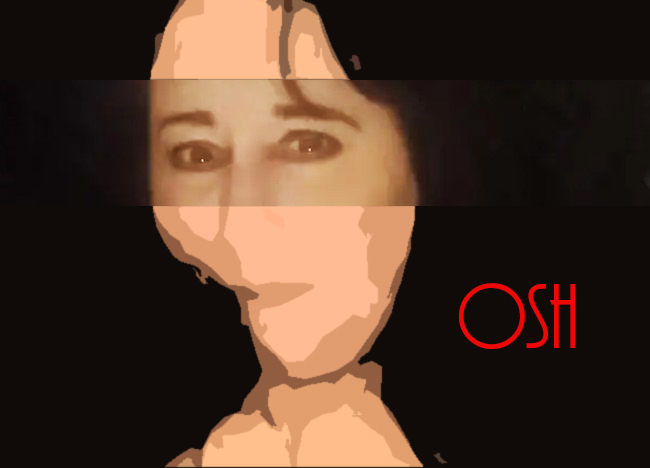
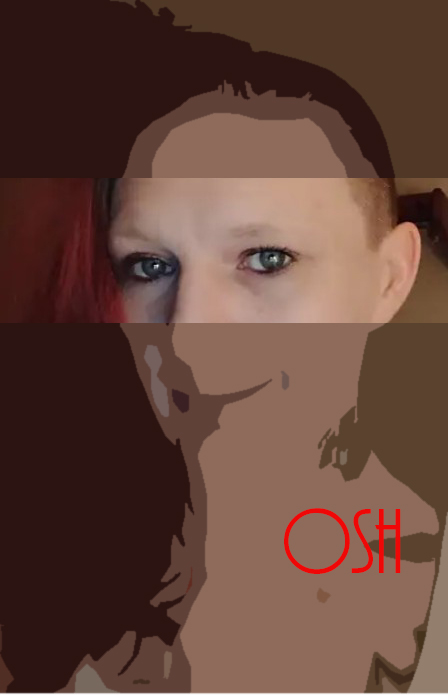
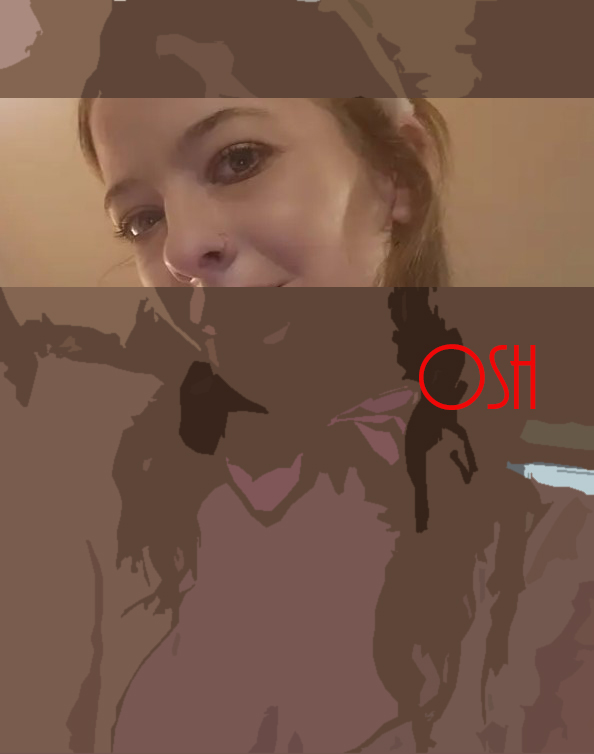

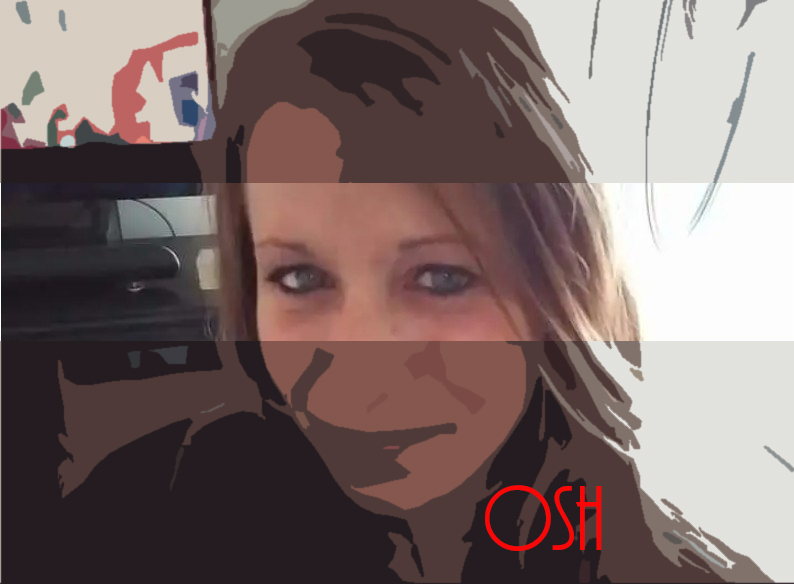
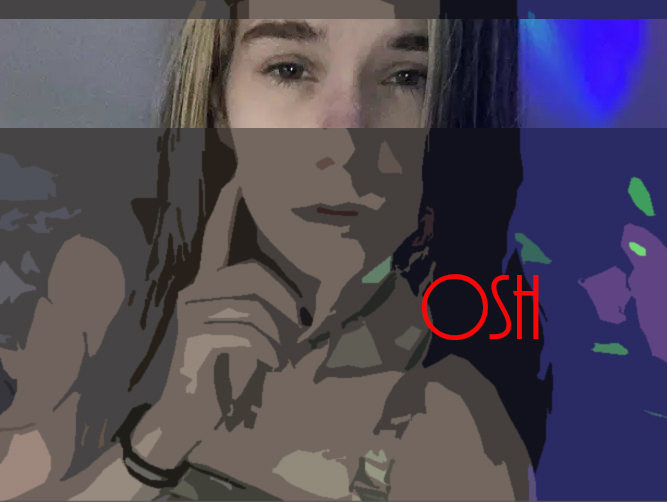

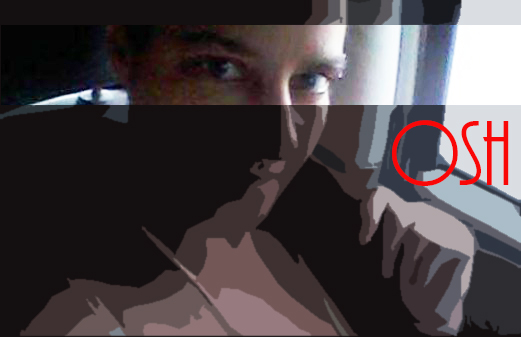

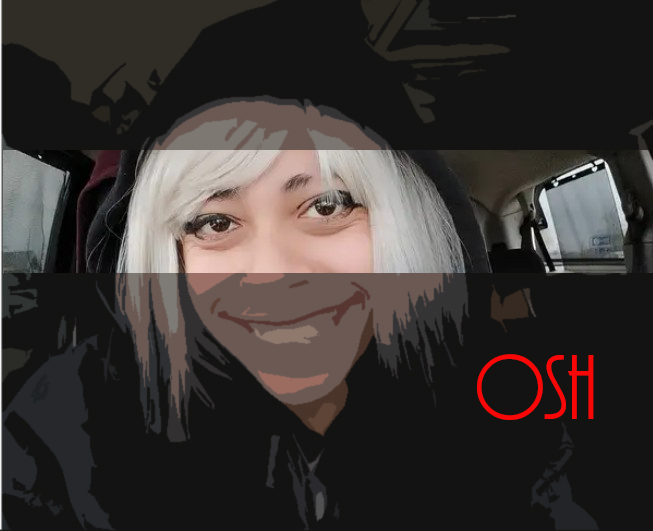

So I have Post Traumatic Stress Disorder, and in my recovery process, I learned what is happening is you are dissociating. Basically, something frightens you or stresses your brain out so much that it decides to basically retreat your consciousness into itself. It’s a defense mechanism. You can actually see it in the face of an animal that’s being eaten alive by a predator. The animal is alive and the eyes are open, but it’s eyes are blank and lifeless.
What’s it like to see it first hand? It can be eerie. My girlfriend also has PTSD (it’s why we’re together because it makes things easier to date someone else with it). When I notice she’s being very quiet and she’s more or less staring off into space, I simply ask her if she’s “ok.” If she’s having a flashback or dissociating, she’s basically paralyzed in place. She has various levels of consciousness when she does this and I’m the same way. A. Lowest Level, she can’t speak, but she can nod. B. She can’t nod but she can communicate by blinking to “yes” or “no” questions. C. No response whatsoever.
PTSD survivor 5y
_________________________
 Our Secret Highway
Share your thoughts?